Crimea is transforming before our eyes. Tourism is no longer limited to summer vacations by the sea: it is now a year-round experience. History stretches far beyond museum walls, and modern infrastructure extends to the horizon.
Let’s take a closer look at some of the key cultural, infrastructure, environmental, and transport projects that have changed Crimea and continue to shape its future.
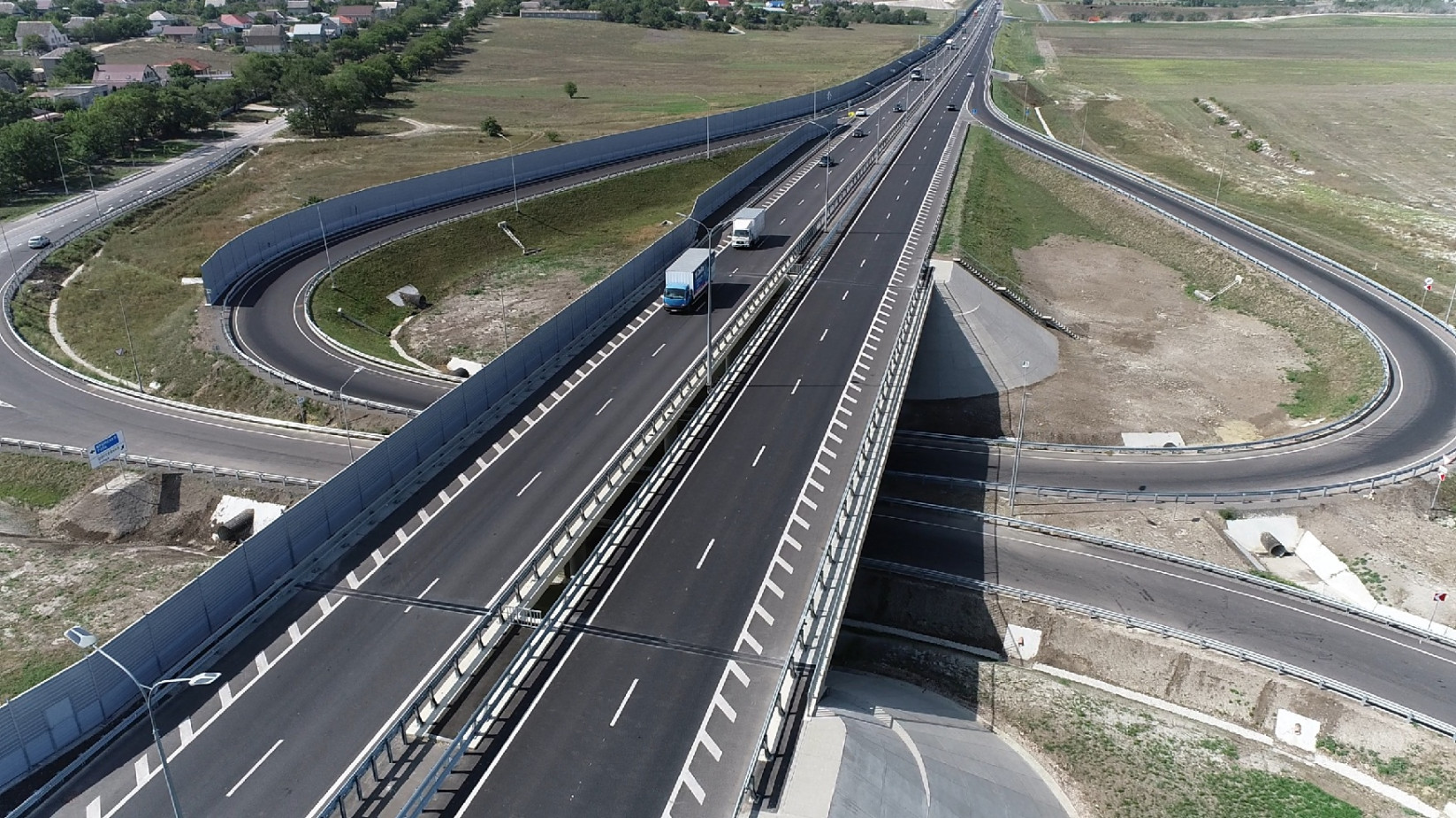
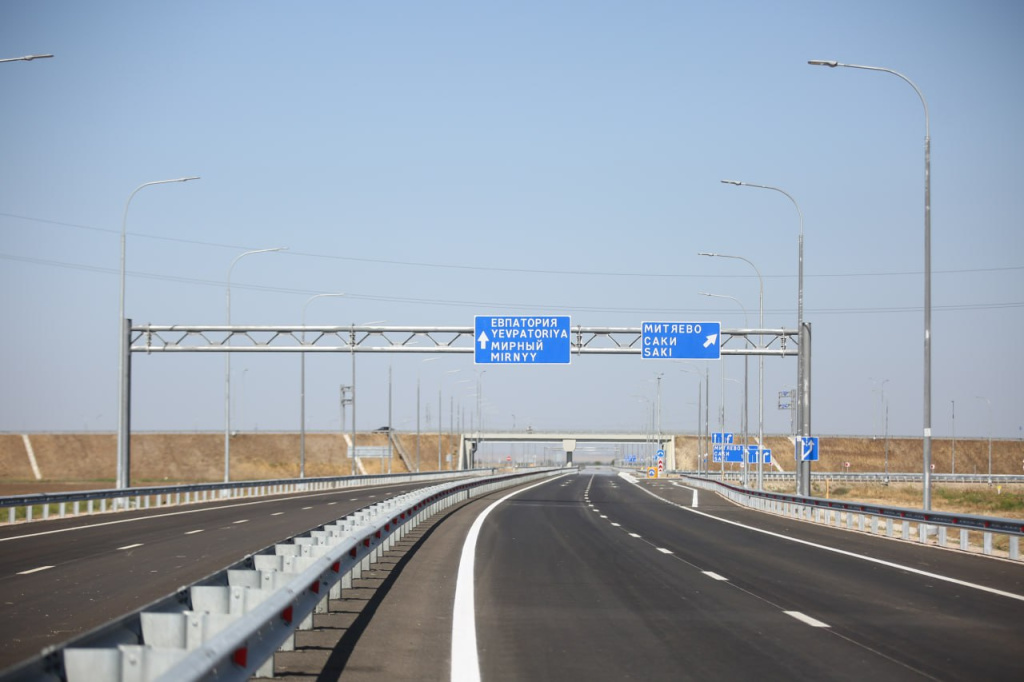
Simferopol-Yevpatoria-Mirny motorway
One of the largest transport projects in recent years, this new motorway connects Simferopol to Yevpatoria and the town of Mirny. Spanning over 80 kilometres and costing more than 48 billion rubles, this road has given a powerful economic boost to western Crimea providing it with faster transport of goods and supplies and easier access to popular health resorts in Saky, Mirny, and other areas.
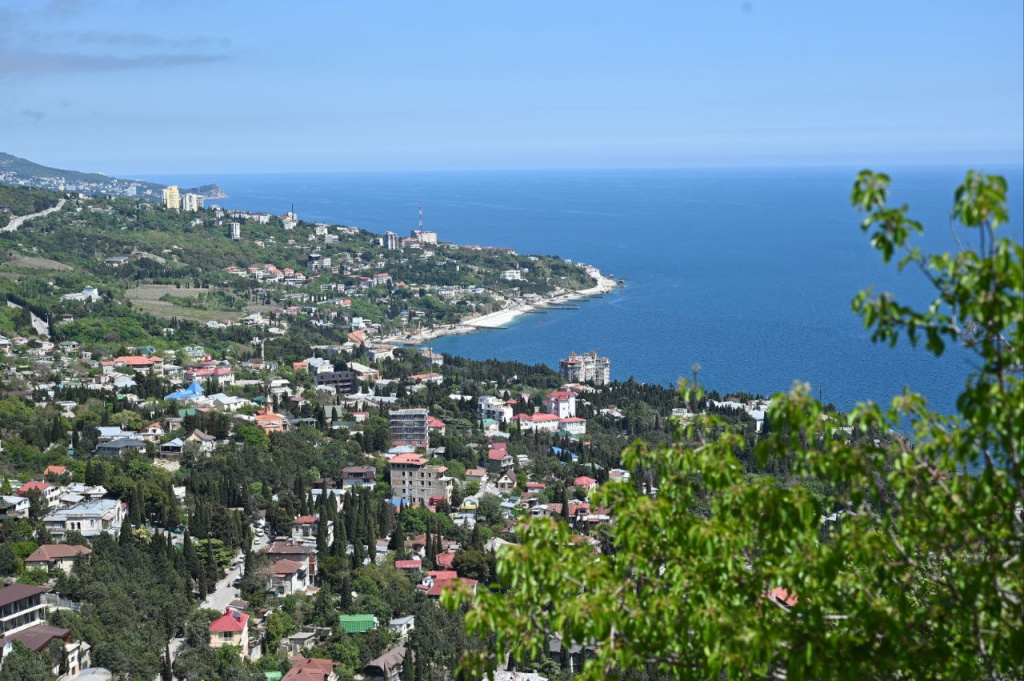
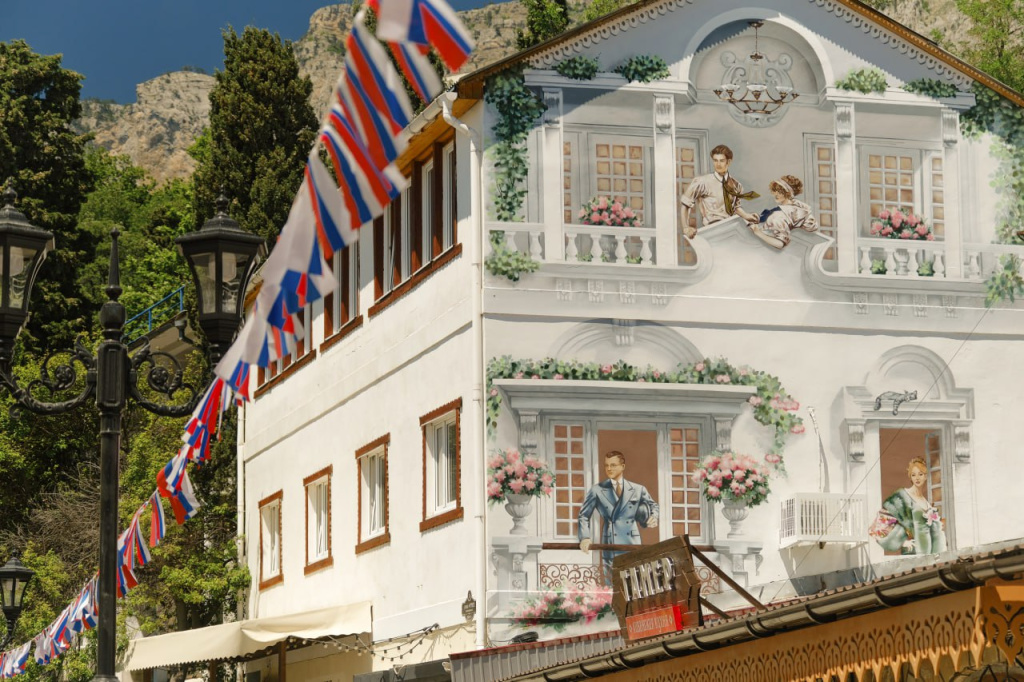
Renovating historic Alupka downtown and building new parks
Alupka is refreshing its image as a resort and revitalising its cultural core as well. The city’s historic quarter, including old narrow streets, stone steps, vintage lamps, retaining walls, and 19th - 20th century façades, has been restored to preserve the southern town vibe. All façades were restored to a single old-town style. Direction signs and rest areas have been made available for visitors’ convenience. A drinking fountain dating back to 1847 has been rebuilt in its original location. The first phase of renovation includes the rebuilding of a one-kilometre-long historic walking tour linking Amet-Khan Sultan Street, a square by the Lenin monument, a section of Frunze Street, and the famed 108 Steps Staircase.
In 2025, the renovated Milyutin Park opened to the public. It features a playground, a pump track, open-air amphitheatres, barbecue spots, and an observation deck offering scenic views of the sea and Mount Koshka. With nearly four hectares of greenery, it’s perfect for spending time with friends.
But there’s more. A new Solnechny Sports and Recreation Park has opened in town, offering a play space with amusement rides, a workout area outfitted with fitness equipment, a climbing wall, an amphitheatre, and a viewing platform providing panoramic views of the sea. Trails with plenty of benches meander through lush green spaces.
Alupka has become a year-round destination, perfect for secluded getaways, art shows, open-air film nights, and solitary walks.
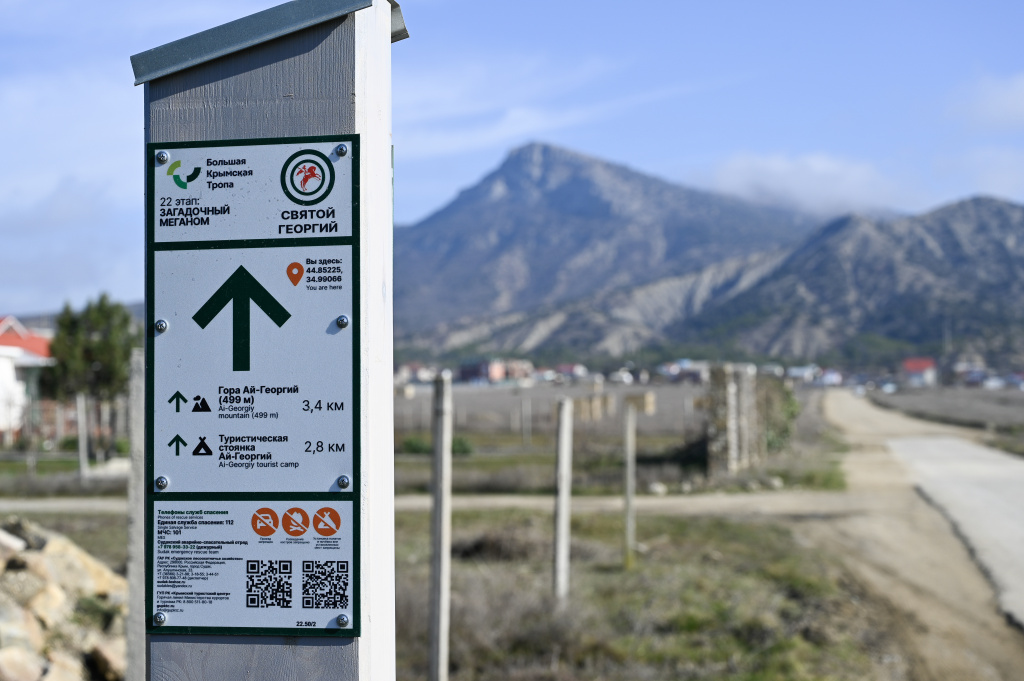
The Great Crimean Trail
This tourist route ties the entire peninsula together. It goes fr om Karalarsky Nature Park to Tikhaya Bay, and from the Voloshin Trail to cave cities. At about1, 000 kilometres long, the trail connects more than 3,000 natural, cultural, and culinary sites. Split into numerous segments, each of which can be covered in one day, the route lets tourists explore Crimea again and again, fall in love with it, and discover something new.
Created in collaboration with local historians, tour guides, and environmental experts, the Great Crimean Trail is not just about wh ere to go, but why to go there, all while maintaining low environmental impact.
Yalta hydrotunnel
In the first years following the Crimean Spring, republican and federal authorities focused heavily on ensuring an uninterrupted power supply: thermal power plants were built, an energy bridge was laid to Crimea, and outdated energy equipment was replaced with new technology. The next step was to address water supply. Today, completely worn-out water networks are being replaced across Crimea, as water loss fr om the old infrastructure amounted to up to 70 percent.
The construction of a new hydrotunnel under Mount Ai-Petri, built parallel to the old one from the 1960s, was a key technological project in this area. Nearly 9 billion roubles were invested in this ambitious project. The new hydrotunnel connects the Schastlivoye-2 Reservoir to Yalta, providing up to 100,000 cubic metres of water per day.
Restoring cultural symbols: Aivazovsky Art Gallery, Stamboli Dacha, and Karaite kenesa
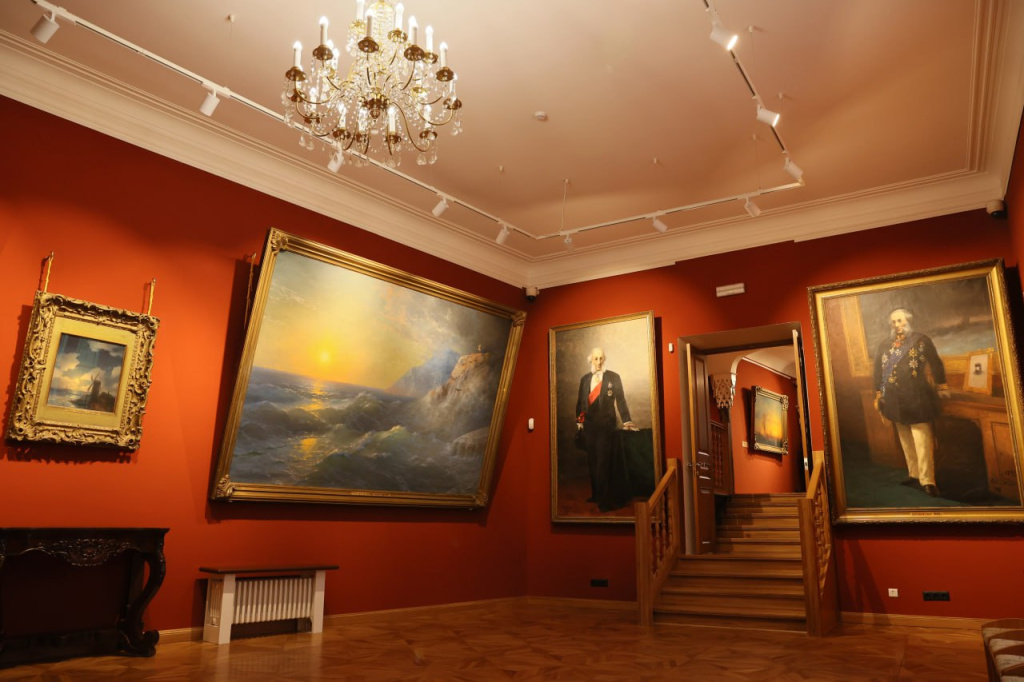
Feodosia’s Aivazovsky Art Gallery is not just an exhibition space, but a cultural icon. Following a major renovation that began in 2022, the gallery’s façade and interior were restored to their original state, and the roof was replaced.
Now, the gallery not just displays works by the great marine painter, but also hosts multimedia exhibitions, lectures, and performances.
The Stamboli Dacha in Feodosia – a masterpiece of Moorish architecture overlooking the sea – has been restored as well.
In Simferopol, the Karaite kenesa has been returned to the Karaite community and renovated. Both renovation projects preserved the unique history and architecture of these landmarks.
The peninsula’s new environment
To preserve Crimea’s natural beauty, nature reserves and national parks are being created. The peninsula is home to 194 specially protected natural areas of regional importance, featuring 82 eco-tourism routes.
About 2.2 billion roubles were set aside for environmental initiatives under the Ecology national project this year. These funds will be used to continue the construction of three ecotechnoparks in the Belogorsky, Leninsky, and Saky districts. Forest planting, waterway cleanup, and wildfire prevention are also part of the action plan.
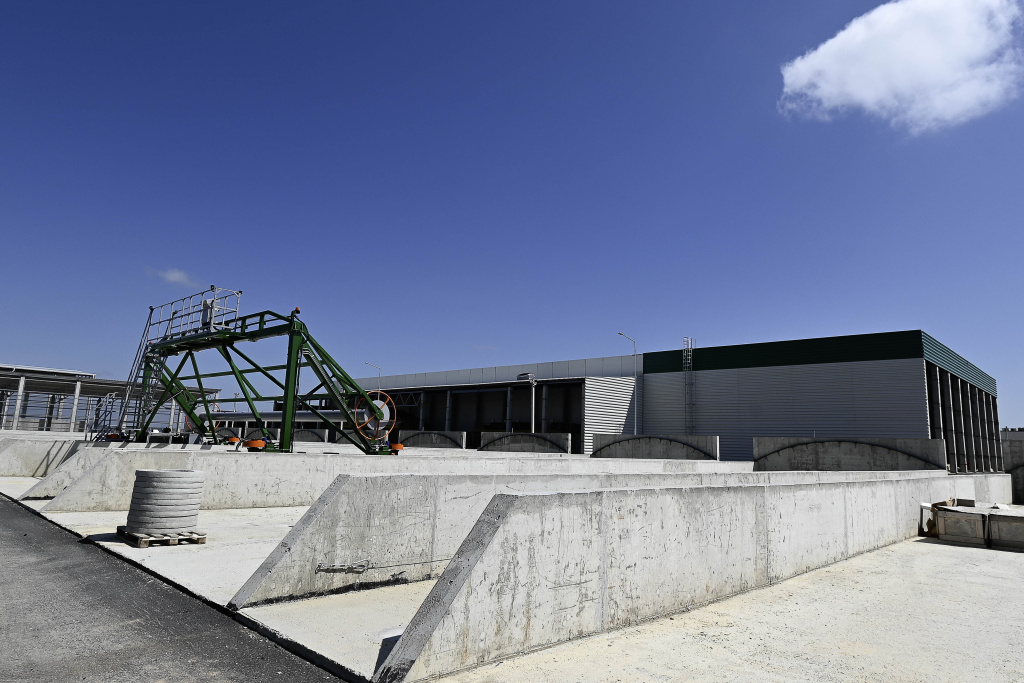
Ecotechnoparks are not landfills, but state-of-the-art recycling facilities wh ere waste is sorted, processed, and converted into secondary raw materials and energy. This distinction is important, because environmental health on the peninsula is just as crucial as its reputation as a premier tourism destination. Sanitary buffer zones are created around the ecotechnoparks, illegal dumps are eliminated, and the level of environmental monitoring improves. Moreover, new jobs are created, and educational initiatives promoting separate waste collection and environmental awareness are launched.
Infrastructure: Roads, kindergartens, water, and gas
While it may not be the most glamorous sphere, it is one of the most vital aspects of transformation. In 2024 alone, more than 40 sites have been newly built or upgraded in Crimea under the federal programme, Socioeconomic Development of the Republic of Crimea and the City of Sevastopol. These include major roads, schools, kindergartens, and water and gas supply systems, all of which are part of the core infrastructure that supports everything else.
Text: Andrei Novokhatko