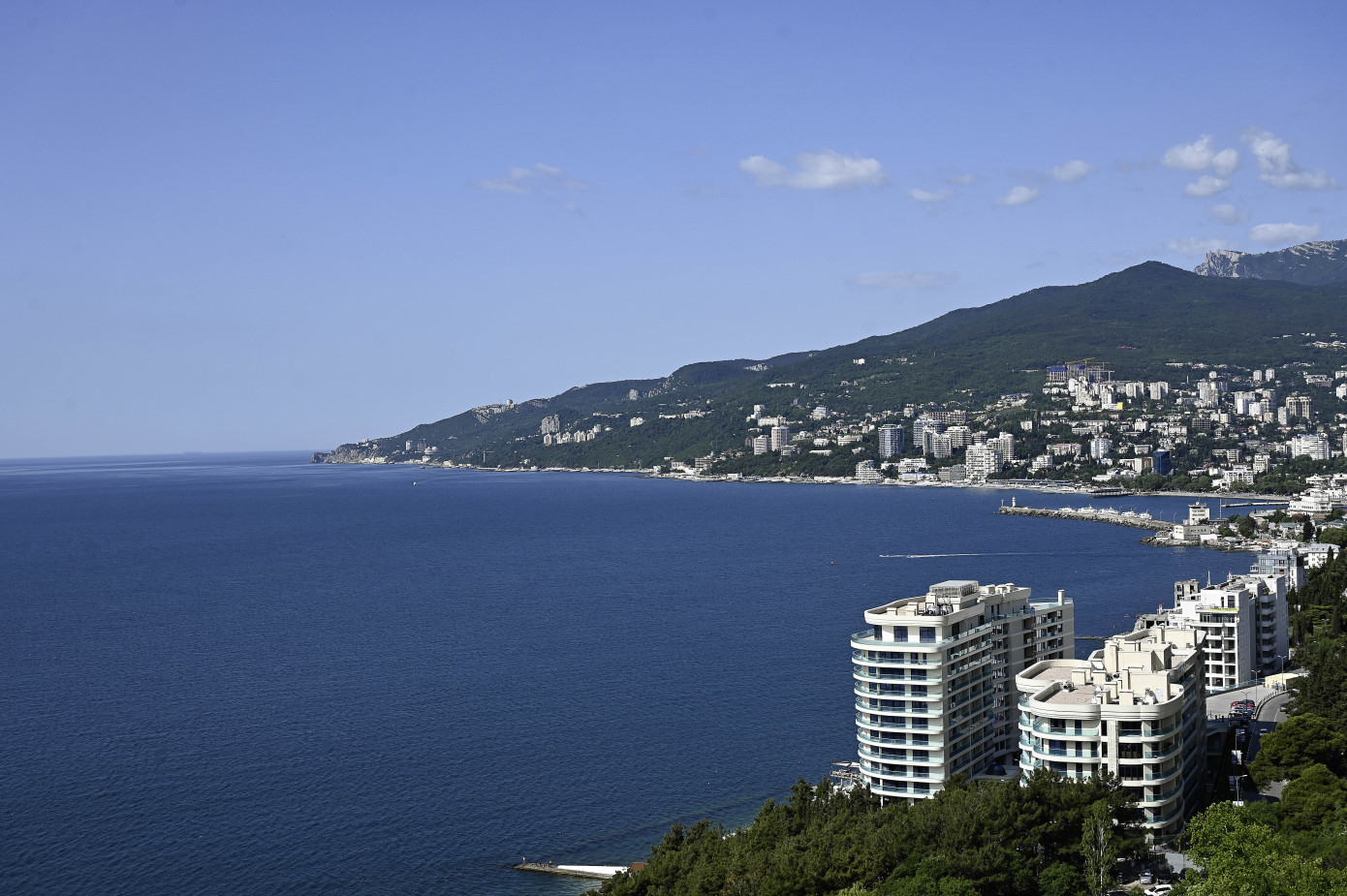
Over its 11 years as a Russian region, Crimea has demonstrated impressive growth across all areas of life.
Head of the Republic of Crimea Sergei Aksyonov noted in his report to President of Russia Vladimir Putin:
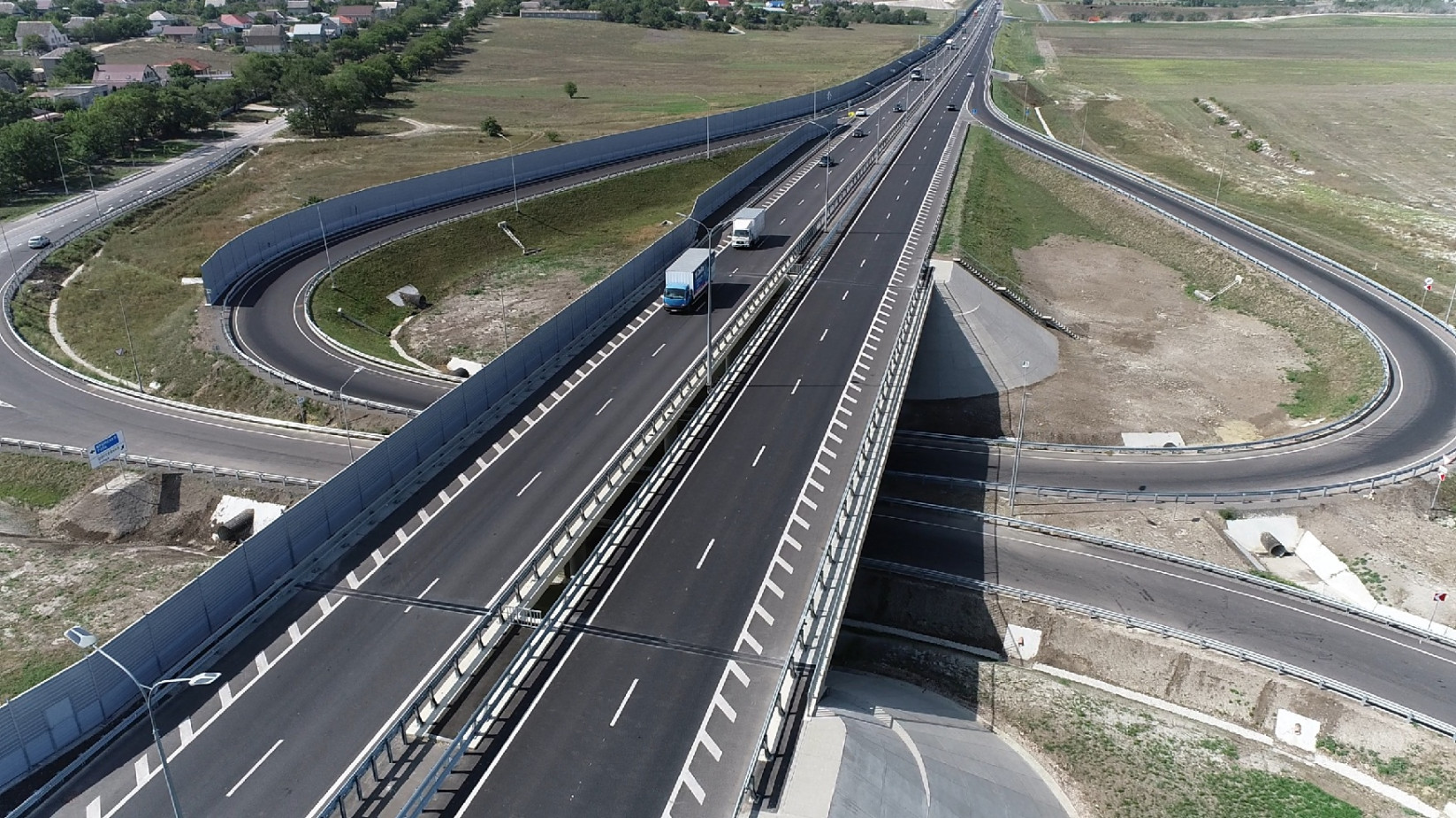
“Over the past decade, 2 trillion roubles have been invested in the Crimean economy, with more than half of that amount coming from the federal budget. The federal targeted programme on Crimea’s development with total funding of 1.5 trillion roubles is the main driver of its economy. The destinations for investment have been chosen correctly, and we are making active progress. Without the support of the federal authorities, it would have been impossible to achieve such results quickly.”
KEY FIGURES
The economy
-
2 trillion roubles in total investment
-
28% growth in 2024 (compared to 2023)
-
95,000 new jobs
-
unemployment down from 7.2% to 2.4%
-
1,269 participants in the free economic zone
The region is responsible for 505 newly-built facilities worth 583 billion roubles. Around 100 billion roubles have been channelled for the implementation of national projects, with cash execution rate at 99.8%.
Tourism
-
67 million tourists in 11 years
-
79 new tourist infrastructure facilities
-
111 new tour routes
-
1.5 million tourists annually travel to Crimea by railway
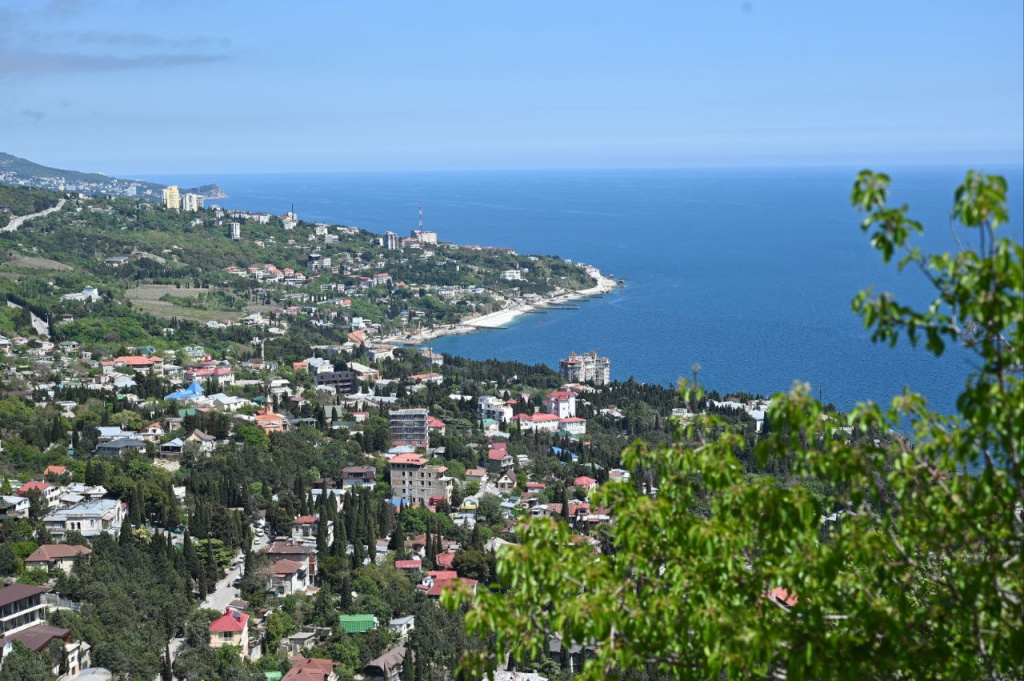
Crimea is making a special effort to develop the coastline. After the devastating “storm of the century” damaged 80% of the coastline in 2023, the Russian government allocated 4.4 billion roubles to repair the damage. Another 3 billion roubles were contributed from the regional budget.
Infrastructure, housing and utilities
-
Spending on housing and utilities surged 22 times, reaching 35 billion roubles
-
11 million cubic metres of water were saved due to efficiency measures developed jointly with the Government of the Russian Federation
The President supported the construction of two new water reservoirs to supply Yalta and Alushta.
Crimea specifically focuses on modernising the local agricultural infrastructure. Over the past 11 years, due to support from the state transport leasing company, Crimean farmers received 5,700 units of agricultural machinery, which made it possible to upgrade 85% of the republic’s farm equipment fleet.
Education
-
168 new kindergartens
-
10 new schools (10 more under construction)
-
500 renovated educational facilities
As of today, there are no waiting lists for kindergarten places.
Health care
-
2,000 medical centres overhauled
-
900 facilities partially renovated
-
306 new community health centres and outpatient clinics
-
15-40% reduction in mortality
The massive modernisation of the health care system has led to a significant improvement in performance: the death rate from various types of diseases has decreased by 15−40%. Particular success has been achieved in reducing infant mortality and the death rate from cardiovascular diseases.
Sport and culture
A major programme to develop the local sports infrastructure is planned for 2025.
Plans are in place to build:
– 9 sports and recreation centres
– 120 children’s sports grounds
In addition, 85 clubs will be renovated.
Particular emphasis is placed on school sports: modern gyms will be installed in 21 schools that currently lack appropriate facilities for PE lessons.
This year alone, an additional 4.4 billion roubles have been allocated for the repair of clubs and playgrounds, funded by proceeds from nationalised enterprises.
Plans and prospects
President Vladimir Putin has supported the initiative to extend the Federal Targeted Programme on the Socioeconomic Development of the Republic of Crimea and the City of Sevastopol after it expires in 2027. This decision was made because many national projects are designed until 2030. It will also ensure the continued sustainable development of the region.
Currently, the total amount of funding for the state programme from 2015 to 2027 is 1.5 trillion roubles.
More than 316 billion roubles are earmarked in the federal budget for its implementation in 2025−2027.
Text: Oleg Anfailov