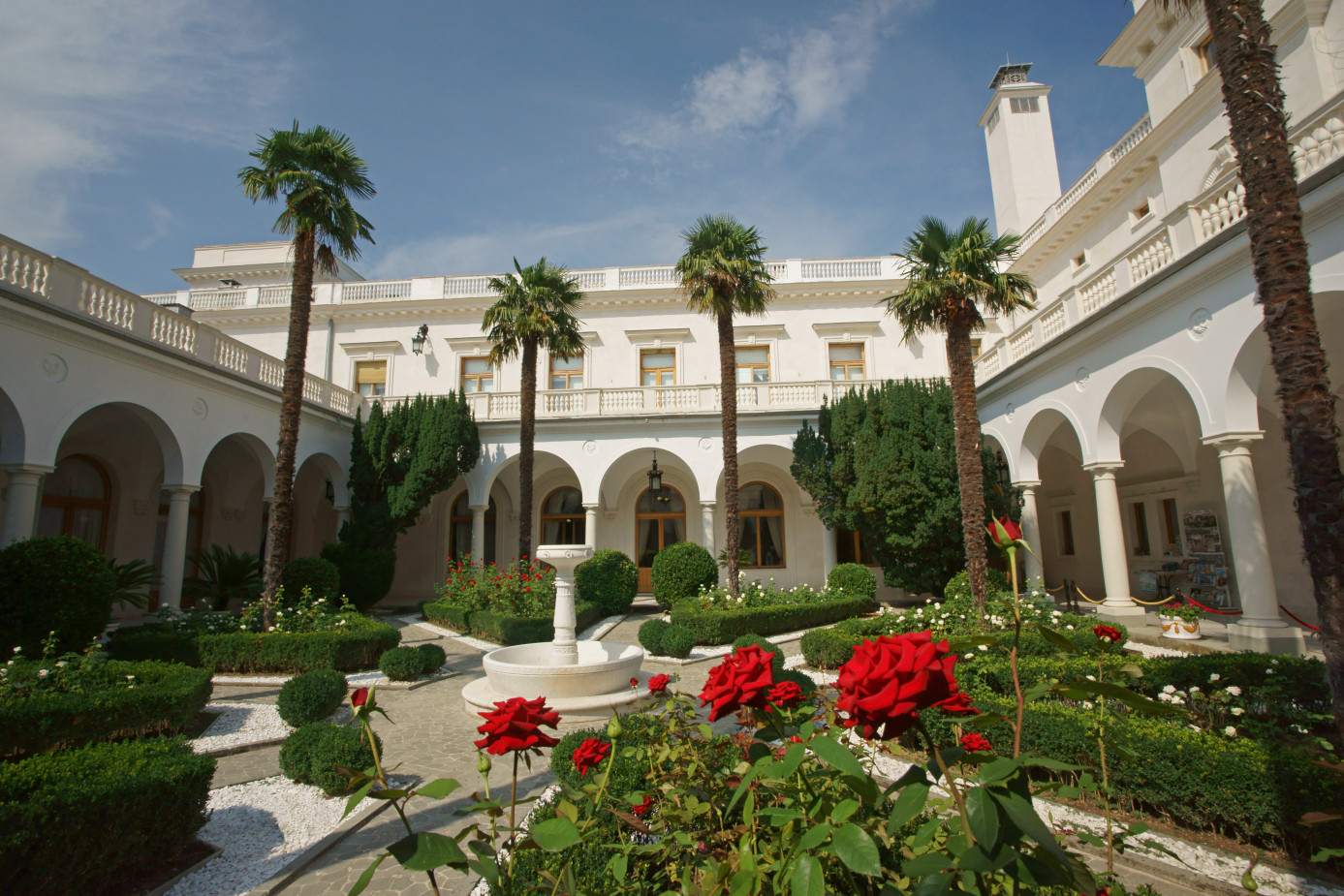
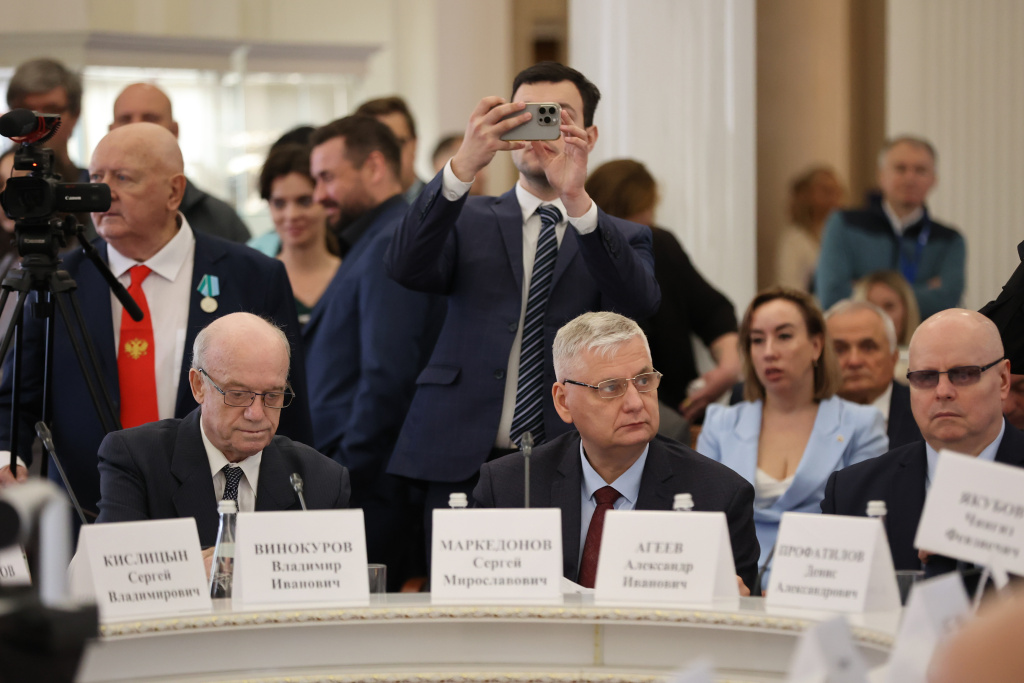
In an atmosphere rich with historical significance, Yalta has once again taken centre stage in diplomatic thought. An international conference marking the 80th anniversary of the Yalta Agreements brought together leading intellectuals, politicians, and public figures fr om around the world.
The event’s global importance was highlighted by the presence of Pierre de Gaulle, grandson of the legendary French general; Jeffrey Sachs, the distinguished American economist; Vasily Nebenzya, Russia’s Permanent Representative to the UN, and Yelena Panova, Director of the Foreign Ministry’s Information and Press Department, as along with other international figures.
Crimean Journal secured exclusive comments from the forum’s key speakers.
From doubt to recognition
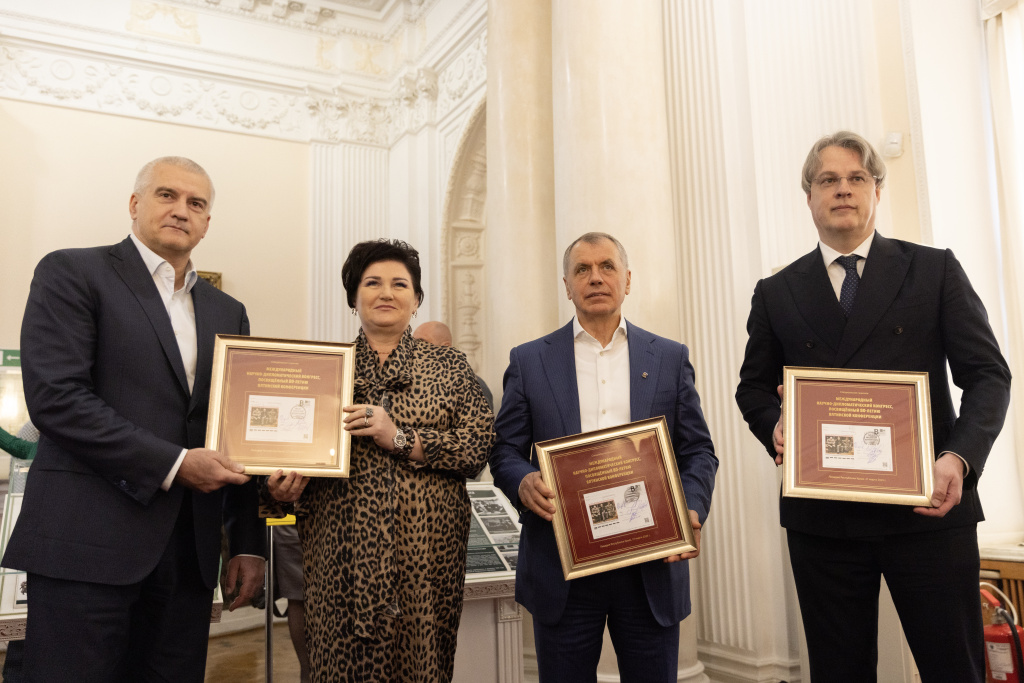
Chairman of the Crimean State Council Vladimir Konstantinov underscored the importance of practical examples in defending cultural values.
“When we first brought this issue up, no one wanted to take it seriously,” he said referring to the early stages of the initiative.
Today, however, the perception has shifted dramatically, and Konstantinov feels confident predicting that Russian-language signs will soon replace English ones in the capital and other cities.
Historical parallels
A compelling discussion unfolded with Pierre de Gaulle, descendant of the legendary General Charles de Gaulle, whose presence carried profound symbolism, since his famous grandfather was not invited to attend the 1945 Yalta Conference.
“Yalta is a source of inspiration for the future,” de Gaulle noted in an extended conversation with us. “The historical experience shows that the foundations of an international order - an order that lasted for decades - were laid here. Indeed, the Yalta Agreements shaped the appearance of Europe for a long time to come, ensuring a certain level of stability, but they also created conditions for the Cold War and East-West tensions.”
According to de Gaulle, we are now at a point wh ere we need to redefine the principles of international relations.
“Historical responsibility compels us to build a system that is based on the interests of all countries, not just a privileged few,” he said.
Pierre de Gaulle emphasised that the modern-day Yalta Conference could lay the groundwork for a fair and prosperous multipolar world.
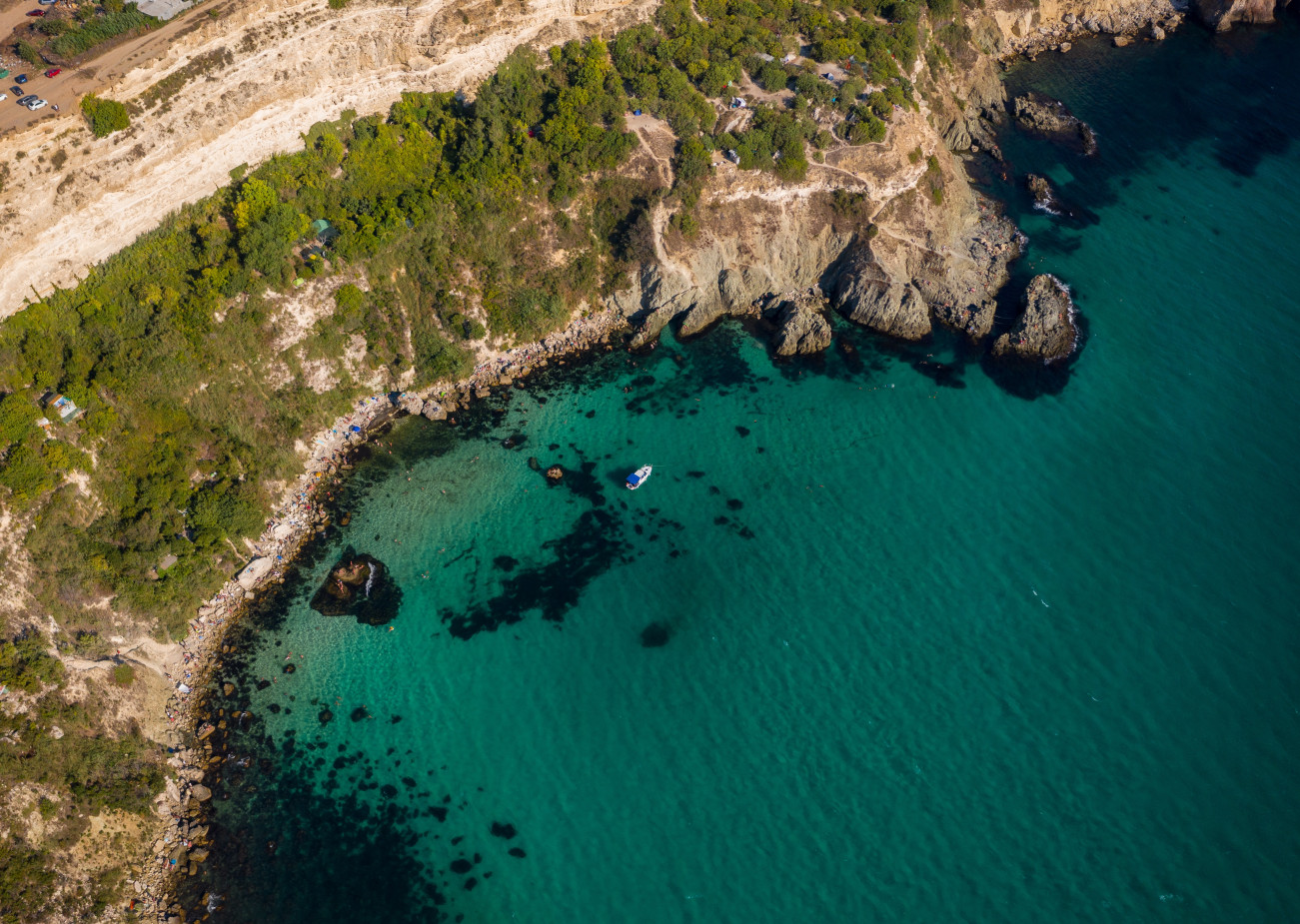
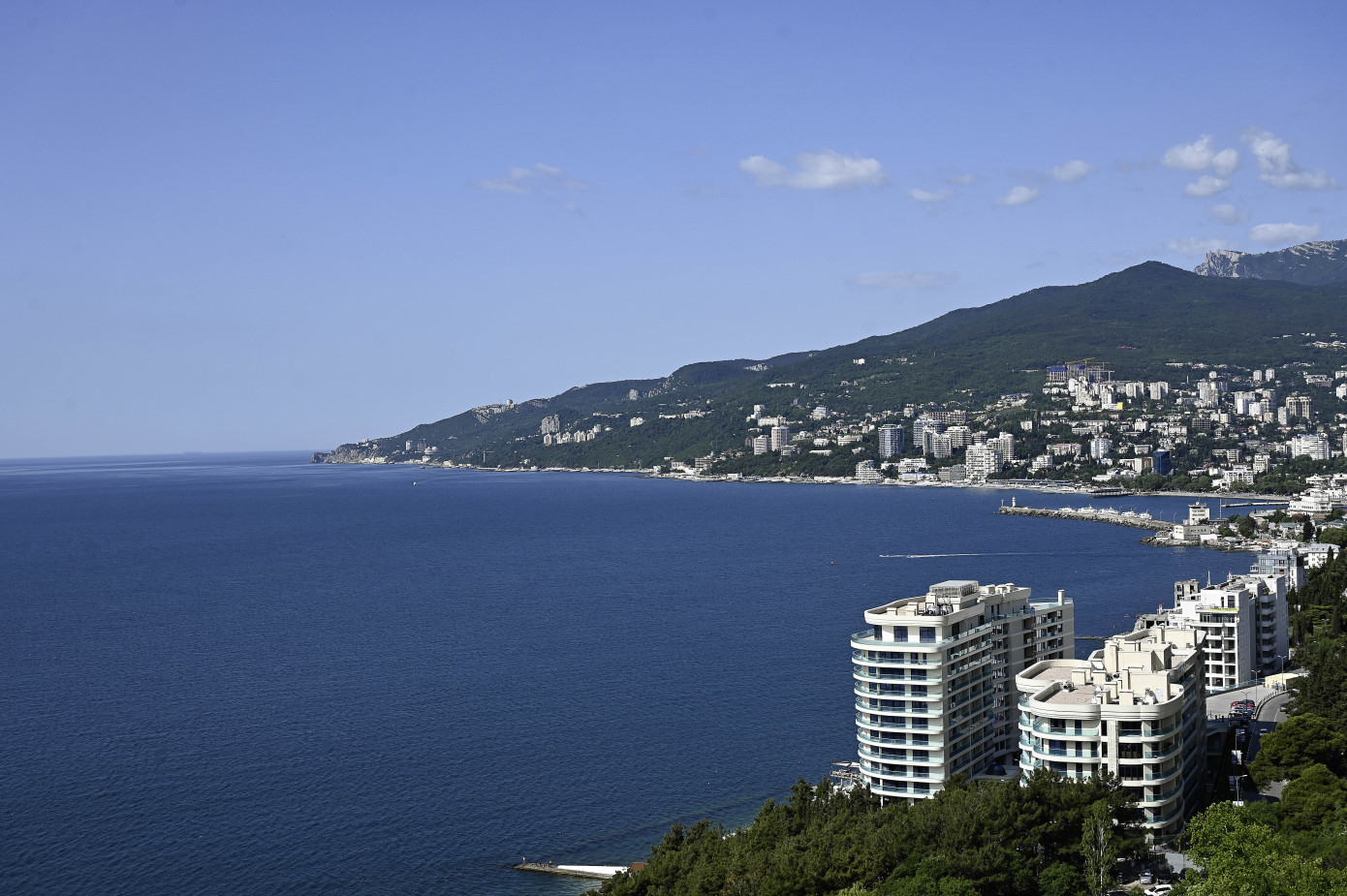
Steering briefly away fr om politics, de Gaulle compared Crimea to Burgundy envisioning the peninsula as a global health resort for those seeking beauty, tranquillity, and healing.
Speaking about post-war Europe, Professor Geoffrey Roberts, historian and member of the Royal Irish Academy (UK), highlighted the influence exerted by the Soviet Union, the United States, and the United Kingdom on the future of Greece, Italy, Germany, and France.
According to him, we are witnessing a similar situation wh ere one superpower is trying to divide the world into spheres of influence. The original Yalta Conference championed the ideals of unity and peaceful coexistence. Even though the project remained unrealised, we must believe that the spirit of cooperation prevalent in today’s Yalta will help us overcome this urgent challenge.
Jeffrey Sachs, professor at Columbia University, United States, identified two key issues from the 1945 Yalta Conference: ensuring peace and security after the defeat of Nazism, and establishing the United Nations. He emphasised the ongoing urgency of these goals, advocating for a continuation of the cause championed by the leaders of the 1945 and the correction of mistakes made over the past decades. He also expressed hope that peace could be achieved through mutual respect, understanding, and adherence to international law.
A realistic perspective
Sergei Markedonov, Director of the Department for Interethnic Relations, Institute for Political and Military Analysis, emphasised a realistic view of international relations.
“Of course, in our hearts, we wish for a new world order agreement to be signed here in Yalta. It would be a point of pride for Crimea and Russia,” the expert told our correspondent. “But international politics are not driven by wishes.”
With professional precision, he pointed to the West’s reluctance to recognise Russia’s special interests in the post-Soviet space, which is the key issue.
Similarly sober-minded − perhaps even overly cautious − views were shared by Dr. Oksana Gaman-Golutvina (Political Science), Corresponding Member of the Russian Academy of Sciences, who advocated a measured approach when making forecasts about the future international order.
“I wouldn’t make any predictions right at this point, because we haven’t yet reached the high point of turbulence. This wave of instability will last a long time,” she emphasised on the sidelines of the conference.
In her analysis, the emerging world is polycentric rather than multipolar. According to Gaman-Golutvina, before attempting to address global strategic issues, Russia must first address a multitude of local sub-tasks.
In the name of justice
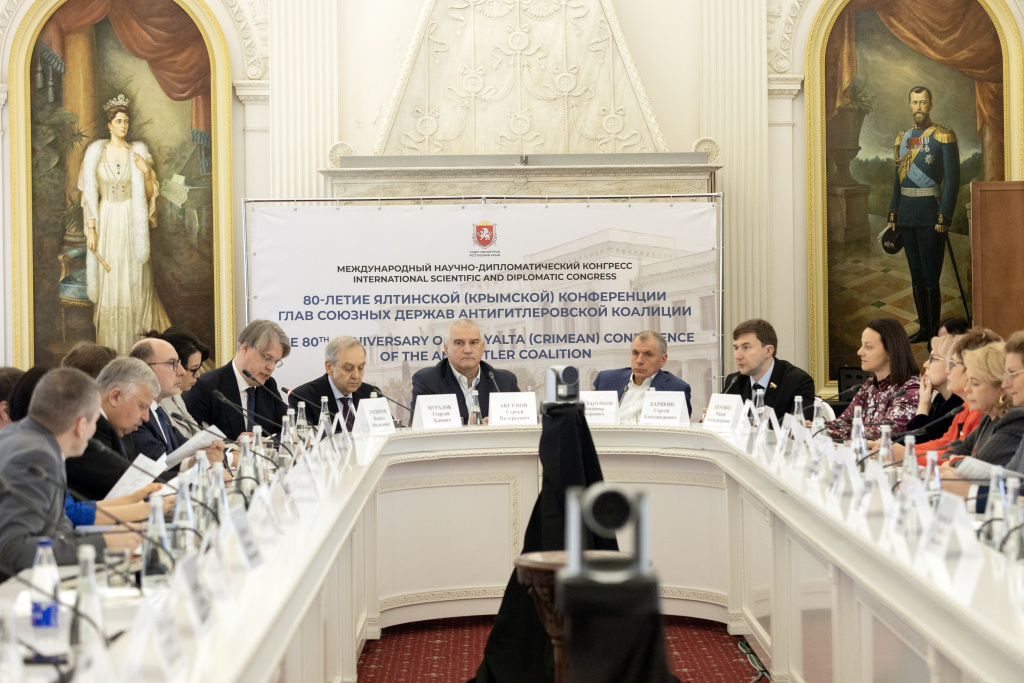
In his official remarks, Head of the Republic of Crimea Sergei Aksyonov highlighted the deep geopolitical context behind the transformations of the past decade.
“For the last 11 years, we’ve been discussing geopolitics centered on the events of 2014, when Crimea reunited with Russia, which fact gave a boost to current developments. Everything revolves around the events of 2014,” he said. “We’ve chosen the right path. Everything was done in the name of justice. The personal ambitions of a number of Western leaders, who perceive themselves as the sole decision-makers capable of making final, monopolistic decisions, are holding us back. Once that yoke fades away and it becomes clear that the world is multipolar, and that mutual respect and understanding are the keys to achieving solidarity, everything will fall into place.”