Eighty years ago, the Crimea hosted a meeting of the heads of government of the anti-Hitler coalition countries. The USSR was represented by Chairman of the Council of People’s Commissars Joseph Stalin, the United States by President Franklin Delano Roosevelt, and Great Britain by Prime Minister Winston Churchill.
The art of the possible
The leaders of the great powers, despite pursuing fundamentally different goals, laid the foundations for a world order that prevented the resurgence of Nazism and fascism and the outbreak of war. Sitting at the negotiating table in February 1945, they adopted decisions that shaped the geopolitical landscape for the next 45 years.
The new world was being born amid fierce debates that involved not only diplomatic intrigues and feedback fr om security services but also personal relationships and psychological strategies.
Keeping high politics in mind, let us focus on the behind-the-scenes events and facts beyond the official limelight, which nevertheless played a crucial role in the success of the Yalta Conference.
“Descendants of the Argonauts”
At first, the Allies were adamant in opposing the idea of coming to Yalta. However, Stalin managed to convert the might of the Soviet forces that were fighting on the approaches to Berlin into a diplomatic success, compelling the Western partners to yield to the victor.
The German occupation had devastated the Crimea, presenting the conference organisers with numerous challenges. Fortunately, the former imperial estates on the southern coast were the least affected. Within days, trains full of equipment and materials needed for the rapid rebuilding of the infrastructure of the “special facilities” set out for the peninsula. By late January, three palaces – Livadia, Alupka, and Koreiz – were ready to welcome the “Argonauts,” as the summit participants were referred to in secret correspondence. This codename was suggested by Winston Churchill in reference to the figures of Greek mythology who sailed to the Black Sea in search of the Golden Fleece, a token of wellbeing for the peoples that possessed it. The Golden Fleece he and Roosevelt hoped to take home from Taurida was a guarantee of their continued world domination.
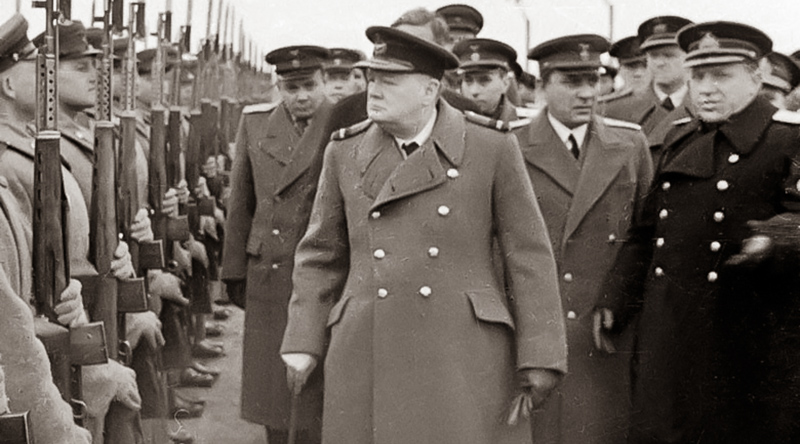
The secret correspondence referred to the summit participants as “Argonauts.” This codename was suggested by Winston Churchill in reference to the figures of Greek mythology who sailed to the Black Sea in search of the Golden Fleece, a token of wellbeing for the peoples that possessed it.
He broke the axis in two
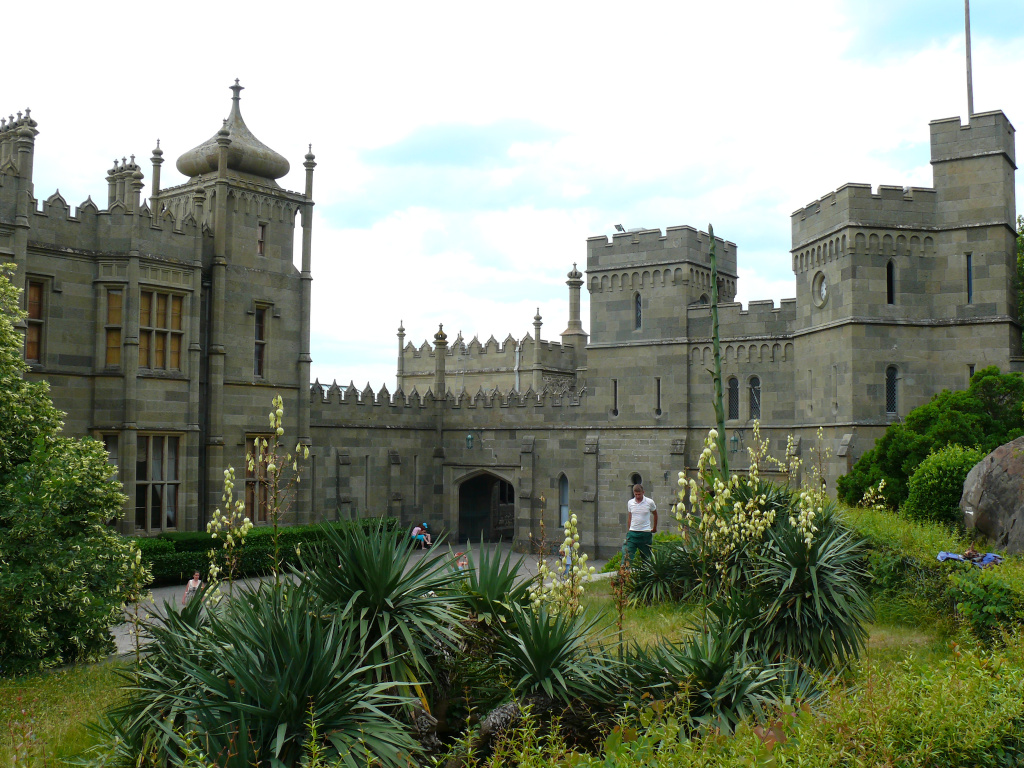
Led by Stalin, the Soviet delegation settled at the Koreiz Palace. Joseph Stalin took a liking to this squat, steel-coloured, unostentatious, yet luxurious building. Its location between the Alupka Palace, which housed the British, and the Livadia Palace, the residence of the US delegation, was also of no small importance. Thus, the Soviet leader effectively broke the Anglo-Saxon axis in two, and not only symbolically. The British and US leaders were physically unable to meet in an informal setting and discuss current issues bypassing Stalin.
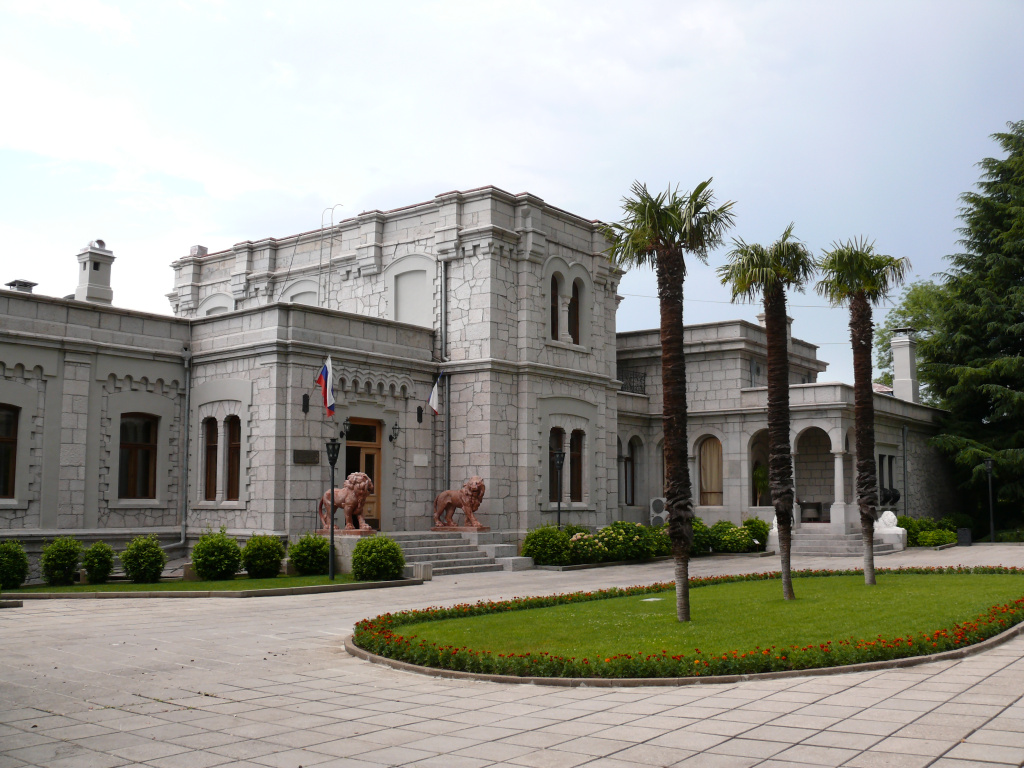
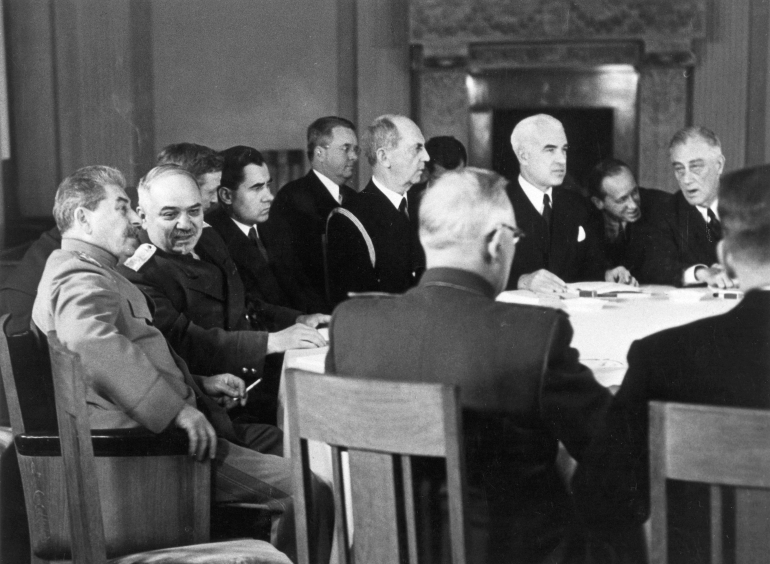
These comfortable premises were wh ere the friends-rivals worked on the most important problems of their time. Specifically, the foreign ministers of the three countries held a preliminary meeting to determine the fate of postwar Europe.
The dinner that Stalin hosted in honour of the US President and the British Prime Minister went down in the conference annals as the warmest unofficial meeting. The high-profile guests savoured the dishes of the multinational Soviet cuisine fr om 9pm to 1am. The verbatim report recorded an astounding 38 standing toasts!
The dinner that Stalin gave in honour of the US President and the British Prime Minister went down in the conference annals as the warmest unofficial meeting.
Shall we buy Livadia?
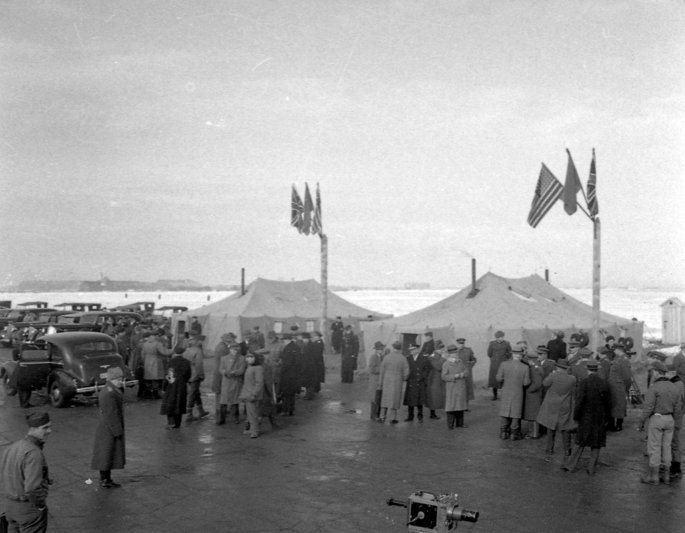
The US delegation was accommodated at the former imperial palace in Livadia, wh ere the plenary meetings also took place. The formal pretext for this breach of protocol was President Roosevelt’s infirmity (his legs had failed after an attack of poliomyelitis he suffered in his youth, making it difficult for him to move around), but the official meetings at his residence essentially made him the “second conference host.”
Roosevelt found his suite of rooms ideal, noting in particular the “eye-pleasing” azure colour, his favourite, that prevailed in the interior. True, to achieve the desired hue, the walls had to be repainted several times. The things we do for a welcomed guest! Offered a choice of Russian delicacies, he took a particular liking to shchi (Russian cabbage soup) and requested it to be served every day.
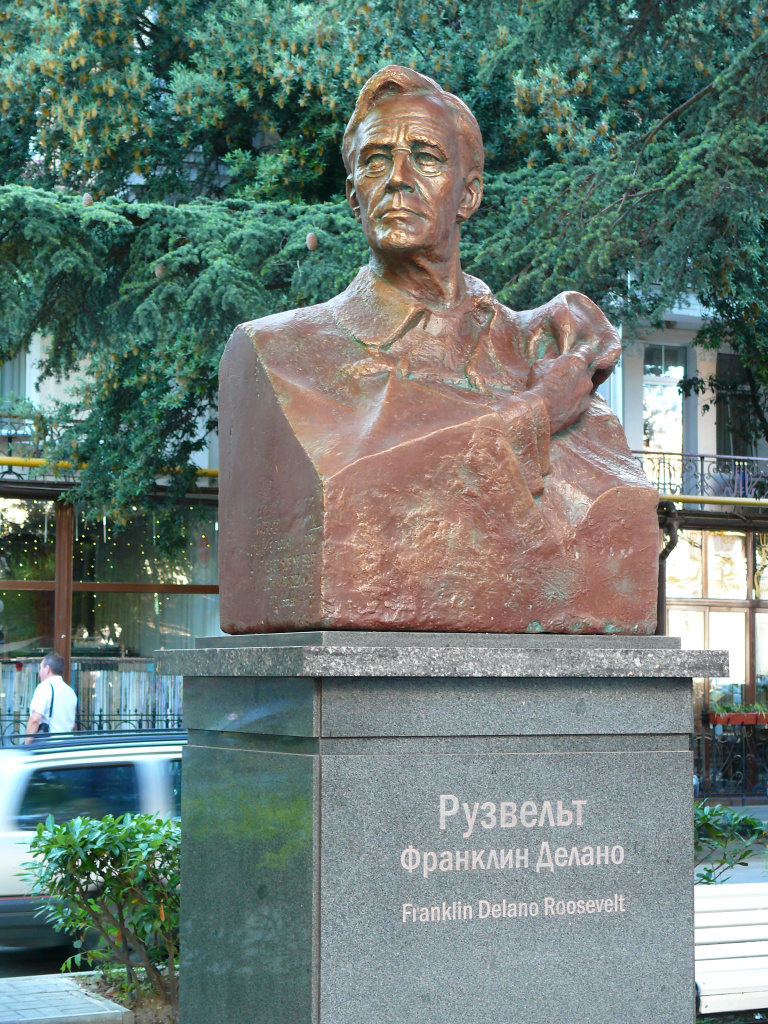
“Roosevelt says that he feels fine here,” a transcript of his conversation with Stalin states. “Upon resigning, he would like to ask the Soviet government to sell Livadia to him.” But Joseph Stalin turned him down in a diplomatic, polite, yet firm manner.
Pampering to every whim!
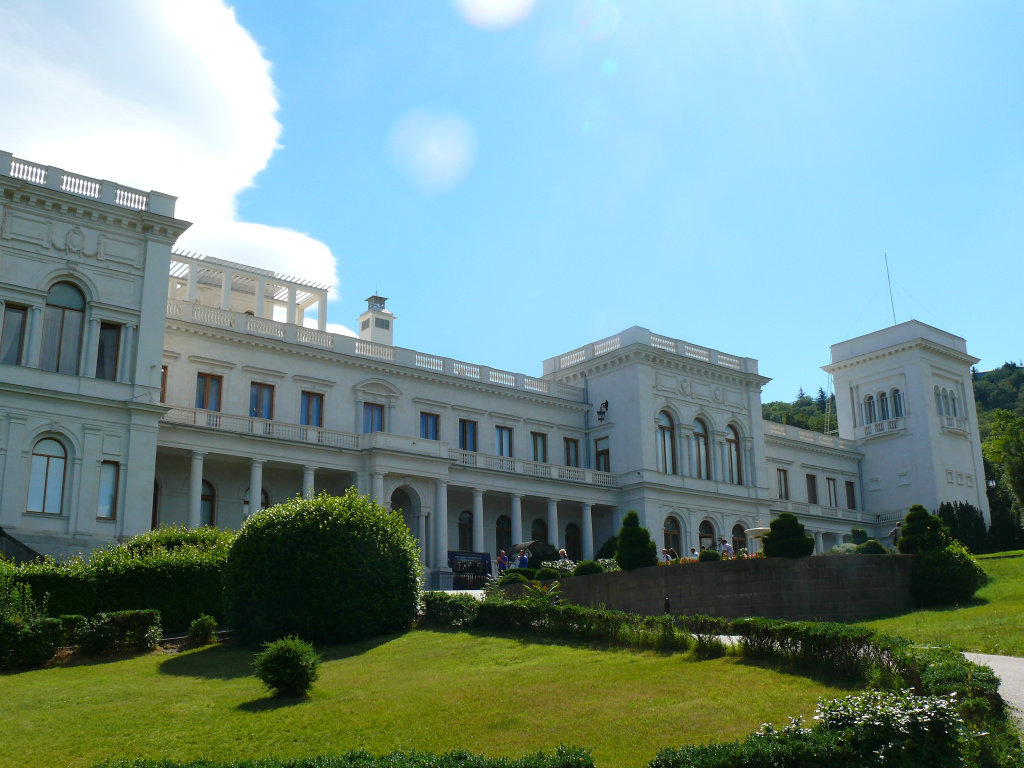
The British stayed at the Alupka Palace. Its first owner, the Anglophile Vorontsov, erected a typical piece of English architecture on Crimea’s Southern Coast. Later, Churchill wrote in his memoir that the hosts did everything they could to make them comfortable and were kind enough to consider any, even accidental, remark of theirs.
This grudging praise is echoed in the memoirs of other participants. Once, Churchill’s daughter casually remarked at lunch that black caviar was particularly delicious when sprinkled with lemon juice. The next day, as if by magic, a lemon tree heavy with fruit appeared for them to enjoy.
On another occasion, Winston Churchill mentioned that he liked fresh trout for a meal. No sooner said than done. A special team composed of villagers from Skelya (currently Rodnikovskoye, Greater Sevastopol) was dispatched to fish in the Chyornaya River, with the result that the local authorities delivered live fish to Alupka on a daily basis.
The high-ranking gourmet was immensely pleased and even gifted his golden watch, hung on a thick chain, to the stunned chief of the “trout-catching expedition.”
Winston Churchill wrote in his memoir that the hosts did everything they could to make them comfortable and were kind enough to consider any, even accidental, remark of theirs.
“Felt the warmth”
All these efforts were aimed at making the Western partners admire the huge potential of a country that was engaged in a gruelling war, yet able to show so much hospitality.
By order of the celestial chancellery, the weather was pleasant – warm and sunny – throughout the conference. The US President was quite fond of the expression “Roosevelt weather” as it illustrated the warming of relations between the members of the Big Three.
Memorable gifts were not overlooked either. Roosevelt, a devoted stamp collector, was enchanted by a rare stamp portraying the pilot Levanevsky and bearing the inscription “Moscow-San Francisco Flight via the North Pole.” For some unknown reason, the text contained certain imperfections, but these flaws made that unassuming piece of paper a true rarity dedicated to US-USSR ties.
How much blood was shed here!
It was Winston Churchill who uttered these bitter words as he took a walk in Sevastopol. The itinerary did not include a tour of the city, but Stalin allowed the Allies to visit Sevastopol so they could see a concrete example of the damage inflicted on the USSR by Germany.
Apart from the fighting in 1941 and 1944, Sir Winston took a keen interest in the 1854-1855 Crimean War. He wrote that he wanted to see the battlefield near Balaclava. Once there, he pictured the situation faced by Lord Raglan, the British commander. He later visited Raglan’s grave and was amazed by the care and attention the Russians devoted to the burial site.
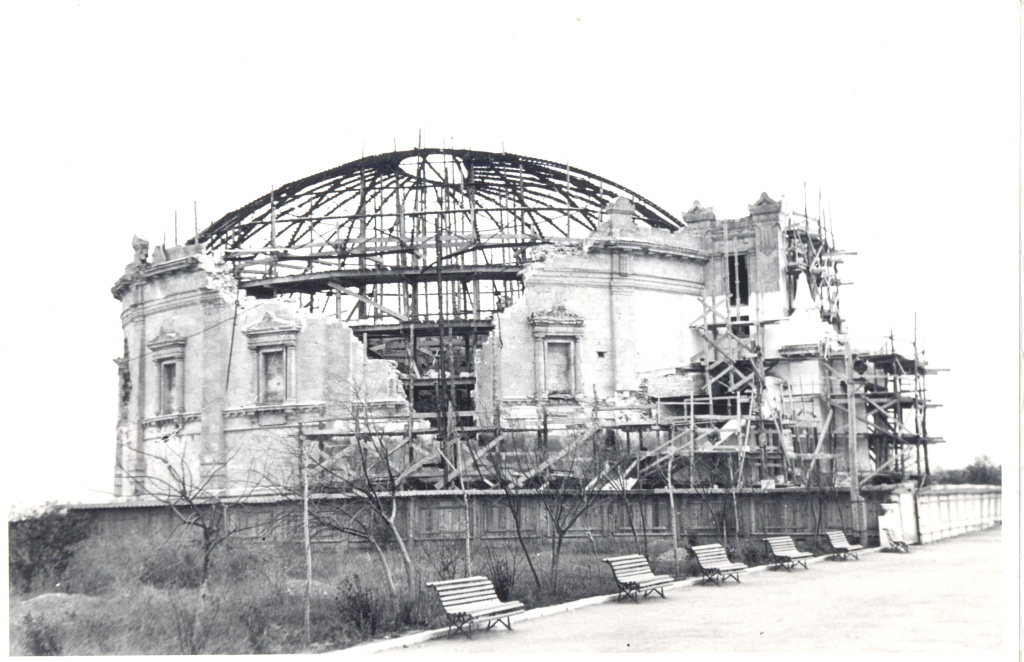
The extent of devastation – 94% – left a painful impression on Roosevelt and other members of the US delegation. He stated that rebuilding would take 50 years, and only if the US helped Russia with the effort. Upon hearing this, Stalin ordered to put Sevastopol on the list of cities to be restored as a priority. Ten years later, white-stone houses built in Stalin’s Empire rose in place of the rubble.
“We shall have to take the responsibility for world collaboration, or we shall have to bear the responsibility for another world conflict,” President Franklin Delano Roosevelt told the Congress after his return from the Crimean Conference.
Text: Ivan Kovalenko
Photos courtesy of the author or obtained from open sources