The Wise Men's Comfort
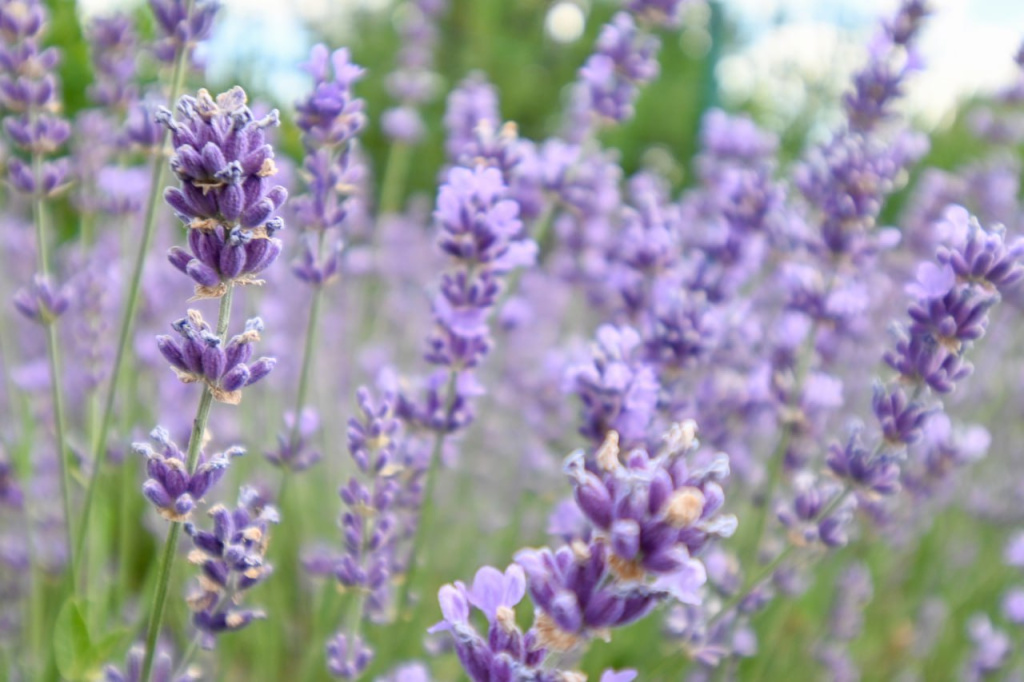
That is what Hippocrates, the father of medicine, called lavender. The Russian name for this miraculous plant comes fr om the Latin word lavare, meaning "to wash, to bathe": lavender was added to water intended for hygiene procedures.
The history of Crimean lavender dates back to 1813, when the first batch of seedlings purchased in Spain was brought to the Imperial Botanical Garden near Yalta. Since then, researchers at the Nikitsky Botanical Garden have been studying the properties of this beneficial plant, developing new varieties and introducing them both into agriculture and landscape design.
The golden age of the essential oil industry came during the Soviet era. By the 1920s, a full-fledged infrastructure — raw material base and processing facilities — had been established in various regions of the peninsula. By the early 1930s, the Alushta plant, a state farm in the Bakhchisarai district, and the Krasnaya Rosa plant had come on stream and reached their design capacity. In 1965, the All-Union Scientific Research Institute of Essential Oil Crops began operations in Simferopol. Crimea became the country's main production base, accounting for up to 90% of all rose and lavender essential oil produced in the USSR. The product was exported to Poland, Germany, and France.
These agricultural crops were so important that they gave their names to settlements. The memory of the flower fields in the mountains above Alushta is preserved in the villages of Rozovy (Pink) and Lavanda (Lavender); in the Bakhchisarai district — the villages of Aromat and Aromatnoye; and in the Belogorsk district — Krymskaya Roza (Crimean Rose).
Through Valleys and Over Hills
The most famous lavender locations in Crimea are in the Bakhchisarai district, wh ere essential oil crops have been cultivated for nearly a hundred years. Purple waves spread across the slopes of the hills and lap against the white limestone shores.
In the village of Turgenyevka, lavender grows on 290 hectares, with another 30 hectares dedicated to a rose plantation. The festival held on the flowering fields has been recognized as Russia's best event in agricultural tourism by the National Russian Event Awards.
Another attraction is the village with the fitting name of Aromat. It was founded as an experimental station of the All-Union Tobacco Research Institute, and later became a state farm for essential oil crop cultivation. These historical traditions are being developed and continued by a modern organic farm.
Soon after the Great Patriotic War, another settlement with a similar name appeared on the map of the Bakhchisarai district. Residents of Aromatnoye worked at a local processing plant for roses and lavender. In recent years, the village has been revitalized by a family-run enterprise whose owners are successfully engaged in both developing new varieties and creating exclusive souvenirs.
On the steppe expanses of the Kerch Peninsula, near the village of Batalnoye, several hectares of the "Sineva" variety of lavender thrive. Such blue spheres can also be seen at the "Lavender Island" field near the village of Ostanino.
A Healing Treasure Trove
For millennia, lavender has remained a priceless raw material widely used in pharmaceuticals, cosmetics, and perfumery. It has anti-inflammatory properties and acts as a powerful natural antioxidant. Its essential oil is known as the "aroma of relaxation." The enchanting scent has a mild soothing effect on the nervous system, promoting deep and restful sleep.
Culinary specialists have also long appreciated lavender. The flowers and oil have been used as spices in Spanish, French, and Italian cuisines. Recently, Crimean cheese makers have taken up this "magical ingredient." The cacciotta is particularly good — made using traditional Italian techniques but in a unique location, in the valley of the Kacha River. This river is one of three main rivers in the Bakhchisarai district, and the lavender grown here in the foothills significantly enhances the flavor of the semi-hard creamy cheese made from cow's and goat's milk, imparting an exquisite piquancy and unique aroma.